
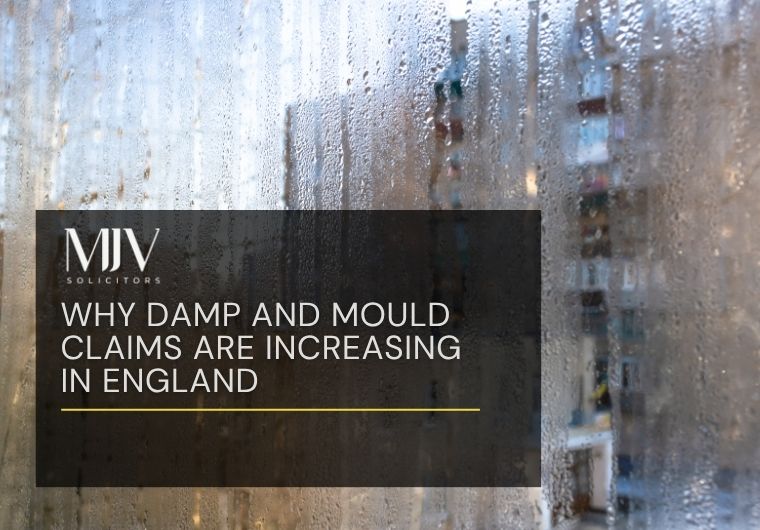
The Rise of Damp and Mould Claims in England
Damp and mould issues in residential properties have become an increasingly prominent concern in England. This rise is not simply due to greater awareness among tenants, but is closely linked to developments in housing law and a growing understanding of the risks these conditions can pose to health.
Over time, the legal framework has evolved to provide tenants with broader and more effective routes to challenge poor living conditions. In particular, changes to the Landlord and Tenant Act 1985 and the introduction of new regulatory measures have made it easier to take action where damp and mould may affect the safety or suitability of a property.
In follow-up to our previous guide, ‘Damp and Mould in Social Housing: Who Is Responsible?’, our Housing Disrepair team explains how the law has developed and why.
How Damp and Mould Law Has Developed in England
The position in England is distinct from other parts of the UK, as it is governed primarily by the Landlord and Tenant Act 1985 and subsequent amendments.
Section 8 Landlord and Tenant Act 1985 – Why It Became Obsolete
Section 8 of the Landlord and Tenant Act 1985 originally introduced the concept that a property should be fit for human habitation. However, this provision was tied to rent thresholds, meaning it only applied where the rent fell below certain limits.
As rents increased over time, these limits quickly became outdated. In practice, very few tenancies fell within the scope of section 8, rendering it largely ineffective. As a result, tenants were often unable to rely on it to challenge poor living conditions, including issues such as damp and mould.
Section 11 of the Landlord and Tenant Act 1985 – Landlord Repair Obligations
For many years, section 11 became the primary legal route for tenants. It requires landlords to keep in repair the structure and exterior of the property, as well as installations for heating, water and sanitation.
While this remains a key obligation, it is limited to “repair”. This creates a distinction that is particularly relevant in damp and mould cases. Some issues, such as leaks or defective roofing, fall clearly within repair obligations. Others, such as inadequate insulation or poor ventilation, may not.
This meant that tenants could experience serious living conditions without a clear legal remedy where the issue did not fall strictly within disrepair.
Read our blog, ‘What Landlords Must Repair in Council or Social Housing’, for more information.
The Homes (Fitness for Human Habitation) Act 2018 Explained
A significant shift occurred with the introduction of the Homes (Fitness for Human Habitation) Act 2018, which came into force in 2019. This legislation inserted sections 9A and 10 into the Landlord and Tenant Act 1985.
Under section 9A, landlords must ensure that a property is fit for human habitation at the start of the tenancy and remains so throughout. Section 10 sets out factors to be considered, including damp, ventilation, and any other matter that could make the property unsafe or unsuitable.
This is a broader obligation than section 11. It is not limited to repair and allows consideration of the overall condition of the property. In damp and mould cases, this means that landlords may be required to carry out works that go beyond simple repairs, including measures that might previously have been considered improvements.
This development has significantly contributed to the increase in claims, as tenants now have a clearer legal route where living conditions are affected.
Read our article, ‘How Does Housing Disrepair Affect Your Health and What Can You Do?’, for more information.
Why Damp and Mould Are Now Taken More Seriously Today
There has also been a shift in how damp and mould are understood from a health perspective. It is generally recognised that prolonged exposure may be associated with respiratory issues and other health concerns, particularly for vulnerable individuals.
As awareness of these risks has increased, so too has scrutiny of housing conditions. Tenants are more likely to report issues, and landlords are expected to respond more proactively.
Awaab Ishak and the Introduction of Awaab’s Law
The issue gained national attention following the death of Awaab Ishak in 2020, which was linked to prolonged exposure to mould in social housing. This led to increased focus on landlord responsibilities and the adequacy of responses to reported hazards.
In response, measures commonly referred to as “Awaab’s Law” have been introduced. These are aimed at requiring social landlords to investigate and remedy hazards such as damp and mould within specified timeframes.
Although implementation is ongoing, the direction is clear. There is an increasing expectation that landlords act promptly and effectively when such issues are identified.
Why Damp and Mould Claims Are Increasing in England
The rise in claims can be attributed to several factors working together. The legal framework is now broader and more accessible, allowing tenants to rely on fitness for habitation rather than being limited to repair obligations. At the same time, awareness of the potential health impact of damp and mould has increased significantly.
There is also greater regulatory and public scrutiny, particularly in the social housing sector. This combination has led to more claims being brought where conditions may pose a risk to occupiers.
Key Takeaways on Damp and Mould Claims in England
Damp and mould claims in England have increased as a result of both legal reform and greater awareness of housing standards. The introduction of fitness for human habitation provisions has expanded landlord obligations beyond repair, while recent developments have emphasised the importance of timely action.
As a result, the legal framework now provides clearer mechanisms for addressing conditions that may affect the safety and suitability of residential properties.
Damp and Mould Claims FAQs
What is considered damp and mould in law?
Damp and mould are not defined as standalone legal terms, but they are relevant when assessing whether a property is in disrepair or unfit for human habitation. Their presence may indicate underlying defects or conditions affecting the property.
Is a landlord responsible for damp and mould in England?
Responsibility depends on the cause. Where damp and mould arise from structural defects, disrepair or issues such as inadequate ventilation, landlords may be responsible. Each case depends on its individual circumstances.
What is the difference between section 11 and sections 9A and 10?
Section 11 relates to repair obligations. Sections 9A and 10 introduce a broader requirement that a property must be fit for human habitation, allowing issues beyond strict disrepair to be considered.
Does Awaab’s Law apply to private landlords?
Awaab’s Law is primarily directed at social landlords, although it reflects wider expectations regarding how quickly and effectively housing hazards should be addressed. There are plans to expand its scope so that it applies to private landlords, but it does not currently.
Can damp and mould make a property unfit to live in?
Yes. Damp and mould are among the factors that may be considered when determining whether a property is fit for human habitation under section 10 of the Landlord and Tenant Act 1985.
What should tenants do if they experience damp and mould?
Issues should generally be reported to the landlord as soon as possible so that they can be investigated and, where appropriate, addressed. Read our blog, ‘How to Gather Evidence for a Housing Disrepair Claim’, for more information.
Need Help with a Damp and Mould Issue?
At MJV Solicitors, we help tenants take action when landlords fail to maintain safe and healthy properties. If you or a loved one’s health is being affected by disrepair, contact us today for specialist advice and support.
- Call us on 01253 858231
- Visit our website for more information about how to start your claim for Housing Disrepair
- Read our previous blog “What is Housing Disrepair? A Guide for Council and Housing Association Tenants”
This article is for general information and does not constitute legal advice.