
Housing Disrepair
Housing Disrepair Solicitors – National Claims (England & Wales)
At MJV Solicitors, we have years of experience representing tenants nationwide in claims against their landlord for housing disrepair.
Specialist Legal Support for Social and Council Housing Tenants
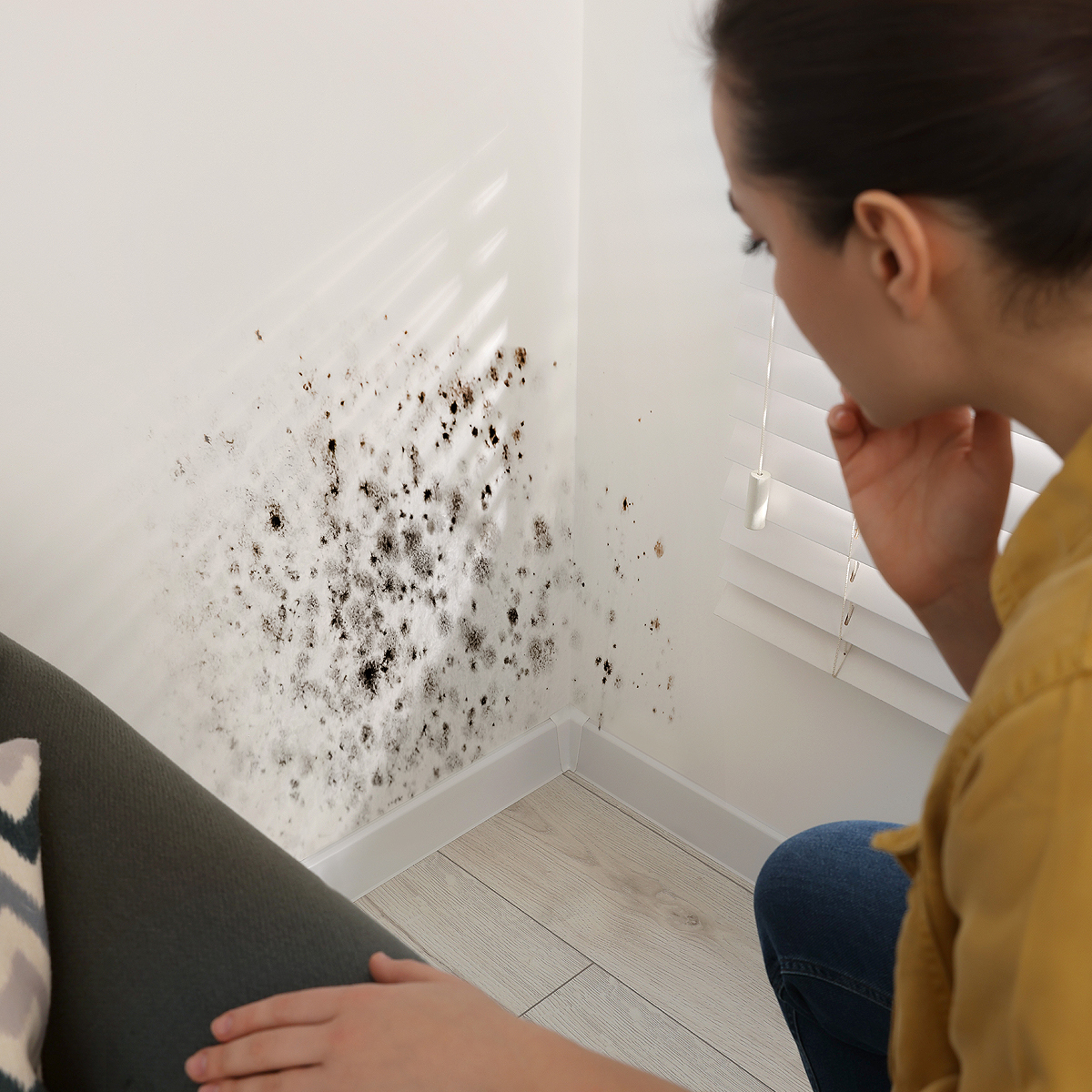
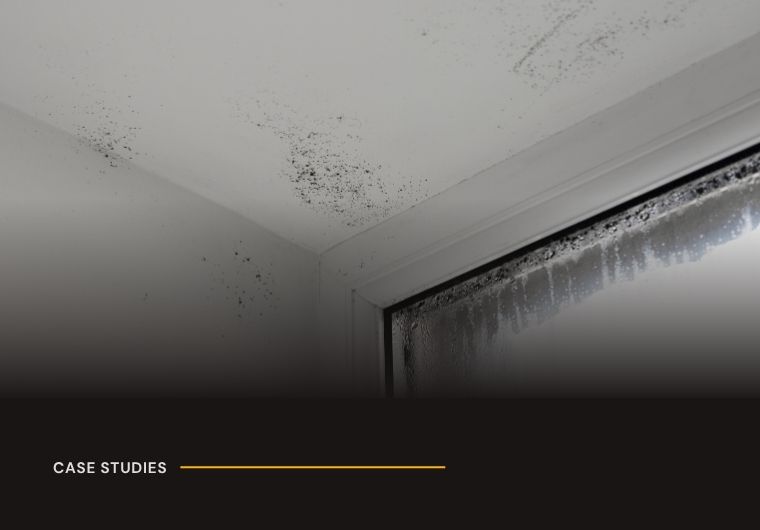
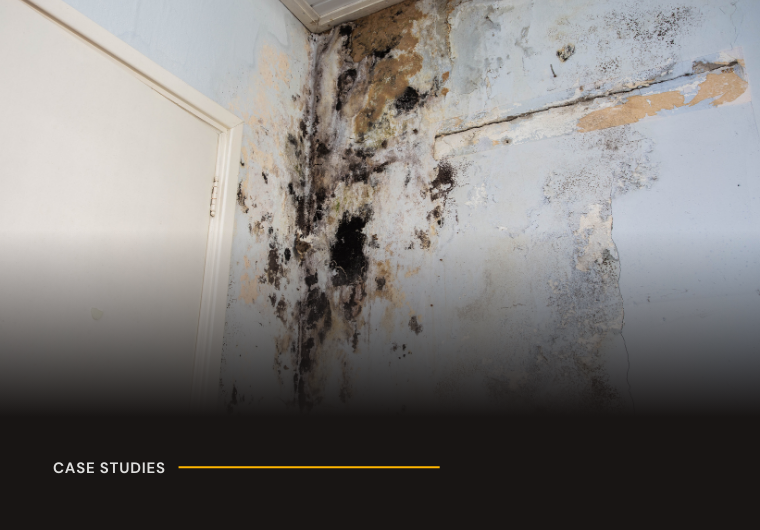
Housing disrepair claims commonly involve damp, mould, leaks, structural defects and unsafe living conditions.
At MJV Solicitors, our housing disrepair solicitors act for tenants in social or council housing across England and Wales where landlords have failed to comply with their legal repairing obligations. We assess whether the landlord is in breach of statutory or contractual duties and assist tenants in seeking repairs and, where appropriate, compensation for loss of amenity and inconvenience.
To speak with a member of our housing disrepair team about how we can help or to find out more about our services, complete our enquiry form or contact us by calling 01253 858231 or emailing us at info@mjvlaw.co.uk
The Legal Framework for Housing Disrepair Claims
Housing disrepair claims in England are primarily governed by a combination of:
- Statutory obligations
- Contractual obligations
- Procedural requirements
Understanding both statutory and contractual duties is essential to assessing whether a landlord is in breach of their duties. Read our useful guide, ‘What is Housing Disrepair? A Guide for Council and Housing Association Tenants’ for more information.
The Tenancy Agreement
In addition to statutory duties under the Landlord and Tenant Act 1985, the tenancy agreement itself can also be important. Tenancy agreements sometimes contain specific repairing obligations which may extend a landlord’s responsibilities beyond the minimum requirements set out in statute. For example, some tenancy agreements include additional repairing obligations, such as:
- Maintenance of certain fixtures or fittings
- Responsibility for specific rooms or installations
- Extend duties to additional parts of the property that would not automatically fall within Section 11.
The wording of the tenancy agreement can therefore affect the scope of the landlord’s obligations and may be relevant when assessing whether there has been a breach.
Statutory Provisions Under the Landlord and Tenant Act 1985
The key provisions are contained in the Landlord and Tenant Act 1985, including:
- Section 9A – Fitness for human habitation
- Section 9B – Landlord’s duty to ensure fitness
- Section 10 – Matters to which regard is to be had in determining fitness
- Section 10A – Supplementary provisions following Awaab’s Law
- Section 11 – Repairing obligations
In addition, relevant legislation may include:
- The Defective Premises Act 1972
- The Environmental Protection Act 1990 (in some cases)
Claims are also governed procedurally by the Pre-Action Protocol for Housing Conditions (England).
This page provides general information only. It does not constitute legal advice.
Housing Health and Safety Rating System (HHSRS)
The Homes (Fitness for Human Habitation) Act 2018, which came into force in March 2019, is used by councils and housing associations to assess health and safety risks in homes. It identifies 24 hazard categories, including:
How This Links to Disrepair Claims
A property may be:
- In technical “repair” but still unfit due to serious hazards; or
- In breach of both Section 11 and the fitness obligation.
Under Sections 9A and 10, the court considers whether the dwelling is so defective in one or more of these respects that it is not reasonably suitable for occupation. The HHSRS provides the framework for assessing that question.
Why This Matters in Housing Disrepair Claims
The fitness obligation is broader than simple repair.
For example:
- Severe mould caused by inadequate ventilation may breach the fitness duty even if no single structural defect is identified.
- Persistent cold due to inadequate heating may render a property unfit.
- Serious fire safety deficiencies may breach the Act.
Fitness claims can therefore extend beyond traditional Section 11 “repair” arguments.
Awaabs Law
Following the tragic death of Awaab Ishak in 2020, reforms were introduced to strengthen landlord accountability for damp and mould.
“Awaab’s Law” forms part of the Social Housing (Regulation) Act 2023 and will impose specific timeframes for social landlords to investigate and remedy serious hazards such as damp and mould.
Implementation is being phased.
The direction of travel is clear: Landlords are expected to respond promptly and effectively to serious health-related housing conditions.
The Defective Premises Act 1972
The Defective Premises Act 1972 can impose duties on landlords and others where defects in premises cause damage or injury.
In housing disrepair contexts, it may arise where:
- A landlord undertakes works negligently
- Defects create risk of injury
However, our housing disrepair service focuses on securing repairs and compensation for loss of amenity and inconvenience.
We do not act in personal injury claims arising from housing disrepair.
Notice of Disrepair
In most Section 11 claims, the landlord must have notice of the defect before liability arises.
Notice can include:
- Written repair requests
- Emails
- Complaints to housing associations or councils
- Maintenance portal reports
In some cases, landlords may be deemed to have knowledge where defects are obvious or longstanding.
Once notified, landlords must carry out repairs within a reasonable time.
What Can Tenants Claim?
Where breach is established, tenants may seek:
- An order requiring repairs
- Compensation for loss of amenity
- Compensation for inconvenience
- Damages for financial loss linked to the disrepair
Read, How to Gather Evidence for a Housing Disrepair Claim for information on starting a housing disrepair claim.
We do not pursue personal injury damages in housing disrepair claims. Compensation for injury or illness is a separate area of law.
The Pre-Action Protocol for Housing Conditions (England)
Before court proceedings are issued, the Pre-Action Protocol generally requires:
- A detailed Letter of Claim
- Disclosure by the landlord
- Inspection by a suitably qualified expert
- Attempts to settle
The protocol is designed to encourage early resolution. Failure to comply may have costs consequences.
The Housing Disrepair Process
Most cases follow this pattern:
1.
Notice of defect
2.
Landlord fails to repair within a reasonable time
3.
Letter of Claim
4.
Expert inspection
5.
Negotiation
6.
Court proceedings if necessary
Many cases settle once liability is clear.
Our Approach to Housing Disrepair Claims
At MJV Solicitors, we provide clear, practical advice from the outset.
Our housing disrepair solicitors will:
- Assess the tenancy agreement and statutory obligations
- Consider evidence of notice
- Review the condition and likely breaches
- Arrange expert inspections
- Correspond with the landlord
- Take formal action where appropriate
At every stage, we explain the legal position, your rights, and the available remedies.
To speak with a member of our team about how we can help or to find out more about our services, complete our enquiry form or contact us by calling 01253 858231 or emailing us at info@mjvlaw.co.uk
Our team can also help with leasehold disrepair claims.
This page provides general information only. It does not constitute legal advice. Please contact our team to discuss your particuar situation
Jurisdiction
We act for tenants in England and Wales only. Housing law in Northern Ireland and Scotland is different.
Do you have a claim?
Speak to our Housing Disrepair specialists today.
Frequently Asked Questions


Get in touch
Reach out to us today for a free, no obligation chat. Complete our enquiry form and we'll get back to you as quickly as we can.
When submitting your personal details to us you are agreeing to us using these to contact you and agree to your data being held in conjunction with our privacy notice, which can be found here.