

Housing Disrepair Claim Against Social Landlord — A Case Study
When a family were left to endure years of cold, damp, and deteriorating conditions in their home, they turned to our housing disrepair solicitors for help. The result? £8,000 in compensation, a landlord agreement to carry out all necessary repairs, and their legal costs paid, without a single day in court.
The Disrepair Issue — What Happened?
MJV Solicitors acted for tenants of a residential property who brought a housing conditions claim against their social landlord arising from long-standing disrepair. The claim was pursued under the Pre-Action Protocol for Housing Conditions Claims (England) and settled successfully without the need for court proceedings.
The tenants had occupied the property under a tenancy agreement and reported defects to the landlord over a prolonged period. Despite repeated complaints, the disrepair remained unresolved, resulting in significant discomfort, excess cold, and damp and mould within the home.
The problems were widespread and affected the entire property:
- Failed and defective windows causing severe draughts and excess cold throughout the living areas and bedrooms
- Defective front and back doors allowing cold air into the home
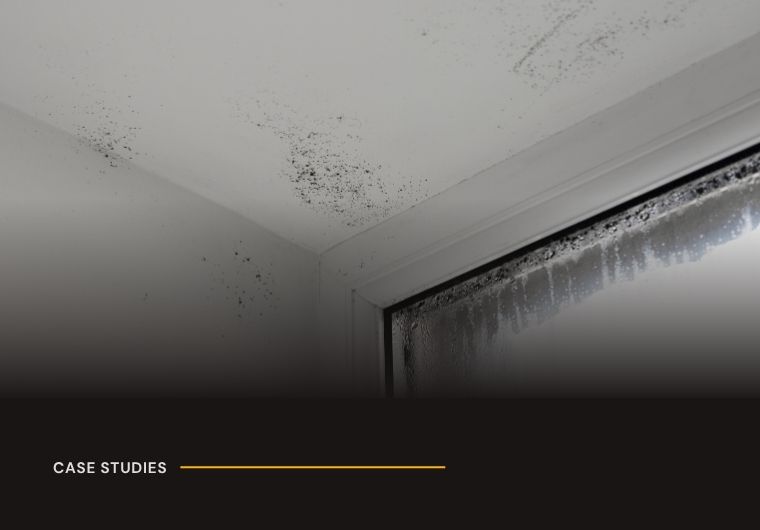
- Damp and mould growth affecting internal walls, windows, and bathroom areas
- External structural defects, including cracked and blown render, allowing water penetration
The tenants reported that the issues had first been raised with the landlord as early as 2018 and had been reported on numerous occasions, thereafter, placing the landlord on notice of the defects
Eventually, the tenant reached out to our expert team at MJV Solicitors, specialists in housing disrepair claims for council and housing association tenants.
Legal Basis of The Claim
The claim alleged breaches of the landlord’s statutory and contractual repairing obligations, including obligations arising under:
- Section 11 of the Landlord and Tenant Act 1985
- Sections 9A and 10 of the Landlord and Tenant Act 1985 (fitness for human habitation)
- The Homes (Fitness for Human Habitation) Act 2018
- Section 4 of the Defective Premises Act 1972
It was further alleged that the conditions at the property gave rise to recognised hazards under the Housing Health and Safety Rating System, including excess cold and damp and mould, posing a risk to the tenants’ health and wellbeing.
For related information, please read: ‘How Does Housing Disrepair Affect Your Health and What Can You Do?’.
Expert Evidence Obtained
An independent housing disrepair expert inspected the property and produced a detailed Scott Schedule. The expert confirmed multiple defects and identified Category 1 and Category 2 hazards, including excess cold caused by failed window seals and doors, and damp and mould linked to external defects and water ingress.
The expert recommended specific remedial works and confirmed that the defects were consistent with a failure to comply with the landlord’s repairing obligations. The total cost of remedial works was assessed as modest, but the impact on the tenants’ living conditions was significant and prolonged.
The Landlord’s Response
The landlord initially disputed aspects of the claim, raised protocol compliance points, and denied liability pending inspection. Correspondence was exchanged under the Pre-Action Protocol, including discussions regarding expert evidence and proposed remedial works
Despite these issues, the claim progressed through expert evidence and negotiation without the need to issue court proceedings.
The Legal Outcome – How MJV Solicitors Helped
Following receipt of the expert report and further negotiations, the claim settled on a pre-litigation basis. As a result of our action, the terms of settlement included:
- Payment of £8,000 in compensation to the tenants for distress, inconvenience and loss of amenity
- An agreement that the landlord would complete the necessary remedial works identified in the expert evidence within a defined timeframe
- Payment of the tenants’ legal costs
After years of being ignored, our clients finally received the compensation and the repairs they were entitled to. The settlement was achieved under Part 36 of the Civil Procedure Rules and brought the matter to a conclusion without the need for court intervention
Important Outcomes of the Case
This case demonstrates that tenants do not need to endure prolonged poor living conditions where a landlord fails to act on reports of disrepair. It also highlights the effectiveness of early expert evidence and robust use of the Pre-Action Protocol in achieving compensation and repairs without issuing proceedings.
MJV Solicitors regularly act for tenants in housing disrepair claims against councils and housing associations, and have a strong track record of securing early settlements, compensation and meaningful repairs.
Are You a Council or Housing Association Tenant Living with Damp, Mould or Disrepair?
You may be eligible for compensation, and we’re here to help. Our housing disrepair solicitors act for tenants across England and can help you:
- Get expert evidence
- Make a successful claim
- Ensure your landlord carries out repairs
- Claim on a no-win, no-fee basis
For related information, read: ‘How to Gather Evidence for a Housing Disrepair Claim’ and ‘What Makes a Property Unfit for Human Habitation?’
Get in Touch Now for a Free Case Assessment
- Call us on 01253 858231
- Message us on WhatsApp or Facebook
- Visit our website for more information about how to start your claim for Housing Disrepair
Read about some of our other successful disrepair claims, and how we helped:
- Croydon Tenant Wins £12,500+ for Severe Damp and Mould in Council Flat
- Damp, Mould and Draughty Windows in Maidstone Flat: Tenant Wins £2,250 in Compensation
- Leaseholder Wins £16,800 Compensation Over Damp, Leaks, and Failed Repairs
- Leaks, Damp and Mould in Council Flat: How We Helped a Croydon Tenant Claim Over £14,000