Damp and mould in social housing are among the most common and serious issues reported by council and housing association tenants across England and Wales. Not only do they cause extensive damage to homes, but they can also severely affect the health and wellbeing of the people who live in them, especially children, the elderly, and those with respiratory conditions.
This comprehensive guide from our Housing Disrepair team explains who is responsible for dealing with damp and mould in social housing, what the law says, how you can report it, and what to do if your landlord fails to act.
What is Damp and What is Mould?
“Damp” refers to the presence of unwanted moisture in a building. This can come in several forms:
- Rising Damp: Moisture from the ground rising up through walls and floors.
- Penetrating Damp: Rainwater entering through leaks in roofs, broken gutters, or walls.
- Condensation Damp: Moisture caused by poor ventilation, often seen on windows or cold surfaces.
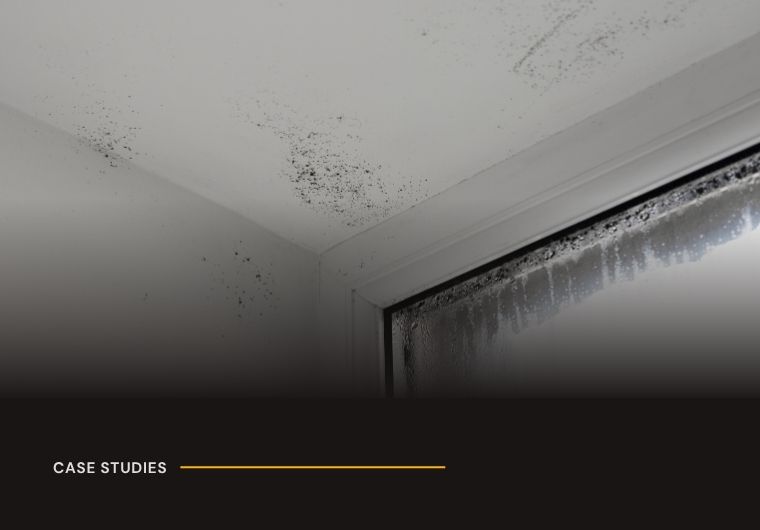
Mould is a type of fungus that thrives in damp conditions. It typically appears as black, green, or grey patches on walls, ceilings, windowsills, and around skirting boards.
Why is Damp and Mould a Problem?
Damp and mould are more than just cosmetic issues and can also cause:
- Health Risks: Mould spores can trigger asthma, bronchitis, respiratory infections, and allergic reactions. The NHS links long-term exposure to mould with serious health consequences. Read our article, ‘How Does Housing Disrepair Affect Your Health and What Can You Do?’, for more information.
- Damage to Property: It can ruin plaster, paint, furniture, and even compromise the structure of the home.
- Cold and Unpleasant Living Conditions: Homes with damp are often cold, musty, and uncomfortable to live in.
Who is Responsible for Treating Damp and Mould?
In most cases, your landlord is responsible for resolving damp and mould if it is caused by problems with the structure or systems of the home. This includes:
- Leaks in the roof, walls, windows, or plumbing
- Blocked or broken guttering or downpipes
- Poor insulation
- Faulty heating or ventilation systems
Under Section 11 of the Landlord and Tenant Act 1985, landlords are required to:
- Keep the structure and exterior of the property in repair (e.g., walls, roof, windows, doors)
- Maintain installations for water, gas, electricity, sanitation, heating, and hot water
- Keep communal areas (in blocks of flats or shared buildings) in good repair and safe condition
Under the Homes (Fitness for Human Habitation) Act 2018, landlords are required to ensure that all rented properties are fit for human habitation at the start of the tenancy and throughout, and this includes being free from serious damp and mould. It also covers other issues such as
- Ventilation
- Natural lighting
- Water supply
- Structural integrity
- Electrical safety
If the damp and mould are caused by building defects, disrepair, or lack of proper insulation or ventilation, it is your landlord’s duty to fix the problem.
When Might the Tenant Be Responsible?
Landlords sometimes argue that damp and mould are caused by tenant lifestyle, such as:
- Drying clothes indoors without ventilation
- Not opening windows
- Not using extractor fans
- Blocking air vents
While tenants should ventilate their homes properly, most social housing tenants live in properties where poor design, lack of maintenance, and inefficient heating systems make it very difficult to prevent damp through lifestyle changes alone.
In practice, courts often side with tenants where the landlord has failed to take reasonable steps to investigate or resolve the issue, especially in vulnerable households.
How to Report Damp and Mould to Your Landlord
If you’re dealing with unfit conditions, including damp and mould, a few practical steps can make a big difference:
- Report it in writing: Use email or the landlord’s repair portal.
- Be specific: Include where the damp or mould is located, how long it has been there, and any effects on your health or belongings.
- Include evidence: Attach dated photos or videos.
- Request a repair timescale: Ask when someone will attend and when the issue will be resolved.
- Keep records: Save all communication and responses.
How Quickly Must the Landlord Act?
There is no strict legal timeframe for carrying out repairs, but depending on the nature of the issue, they must be made in a “reasonable time”. In general, typical timeframes are:
- Emergency repairs (e.g. serious leaks, severe mould affecting health): 24–48 hours
- Urgent repairs (e.g. spreading mould or leaks): 7–14 days
- Routine repairs (e.g. minor patches of condensation): 28 days
Failure to act promptly can lead to legal consequences and potential compensation claims. Landlords should acknowledge your report quickly and provide a target date for resolution.
Read our blog, ‘What Landlords Must Repair in Council or Social Housing’, for more information.
What if the Landlord Refuses to Act?
If your landlord ignores your reports or delays unreasonably:
- Make a formal complaint, which can be done through the landlord’s complaints process.
- Complain to the Housing Ombudsman, if you’re dissatisfied with the landlord’s handling.
- Contact your local council’s Environmental Health team, they can inspect the home and issue improvement notices.
- Take legal action by instructing solicitors who specialise in housing disrepair to get repairs done and claim compensation.
Awaab’s Law: A Turning Point
The tragic death of Awaab Ishak in 2020 after prolonged exposure to mould in his housing association flat led to national outrage and legislative change.
“Awaab’s Law” forms part of the Social Housing (Regulation) Act 2023 and requires social landlords to:
- Investigate reports of damp and mould within 14 days
- Start repairs within 7 days if hazards are found
- Complete repairs within a strict timeframe
- Rehouse tenants temporarily if repairs cannot be done in time
This law will be included in tenancy agreements and gives tenants clearer, stronger protections.
Can You Claim Compensation for Damp and Mould?
Yes, if your landlord has failed to carry out repairs that led to damp and mould, and it caused you harm or inconvenience, you may be entitled to compensation. You may be able to claim for:
- General damages: For inconvenience, loss of enjoyment of your home, stress, and disruption
- Special damages: For damaged clothing, furniture, bedding, or increased heating costs
- Health impacts: If mould has made you or your family ill
The amount depends on the severity, duration, and how much of the property was affected.
Case Study: Real-Life Example of How We Helped
A tenant in north London reported mould in her child’s bedroom due to a leaking gutter and poor ventilation. Despite raising the issue repeatedly, no action was taken for 18 months. After bringing a claim:
- The court ordered full repairs
- The family was awarded £9,200 in compensation
- The landlord was ordered to pay legal costs
Read some of our other client success stories here:
- Family Wins £10,500 Compensation After Years of Damp, Mould and Failed Repairs
- Leaks, Damp and Mould in Council Flat: How We Helped a Croydon Tenant Claim Over £14,000
- Leaseholder Wins £7,900 Compensation for Damp and Water Ingress Caused by Freeholder’s Failure to Repair
Final Tips for Tenants and How to Strengthen Your Claim
If you’re dealing with damp and mould, a few practical steps can make a big difference:
- Always keep a record of when and how you reported the problem
- Take regular photos showing how the mould spreads or returns
- Get a letter from your GP if your health has been affected
- Involve a solicitor early, legal advice can make a huge difference
Read our blog, ‘How to Gather Evidence for a Housing Disrepair Claim’, for more information.
Final Thoughts – The Impact of Damp and Mould
Damp and mould are not just a nuisance to put up with; they are a health hazard and a legal breach if caused by disrepair. Tenants in council and housing association homes should not be left to suffer in silence.
The law is on your side. Whether through formal complaint, enforcement by the council, or legal action, you have options. and the right to live in a safe, warm, and dry home.
Need Help with a Damp and Mould Issue?
At MJV Solicitors, we help tenants take action when landlords fail to maintain safe
and healthy properties. If you or a loved one’s health is being affected by disrepair, contact us today for specialist advice and support.
- Call us on 01253 858231
- Visit our website for more information about how to start your claim for Housing Disrepair
This article is for general information and does not constitute legal advice.