How Cold Weather Turns Existing Disrepair into a Serious Problem
Winter conditions tend to expose and exacerbate existing defects within residential properties, particularly in older housing stock and social housing. For tenants already experiencing disrepair, colder months often turn manageable issues into serious and sometimes hazardous living conditions.
In this article, our housing disrepair team explains, in general terms, why winter has that effect and how it interacts with a landlord’s repairing obligations.
Cold Weather Increases Moisture and Condensation Risk
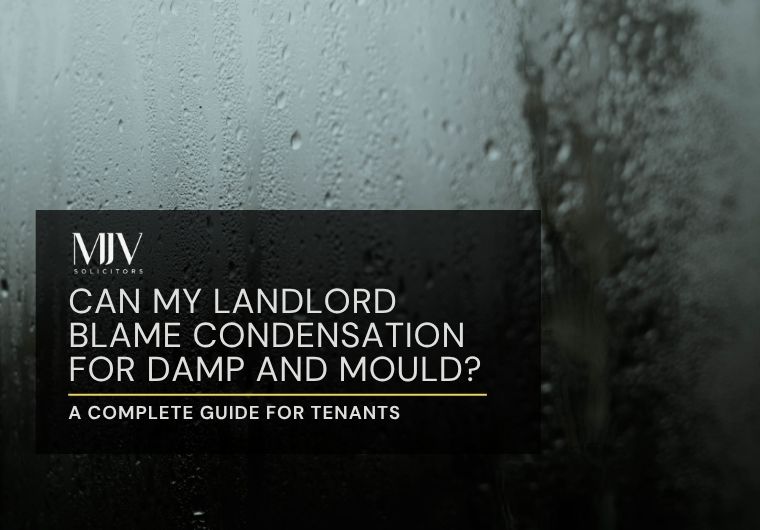
When external temperatures drop, the difference between indoor warmth and outdoor cold air creates condensation on walls, windows and ceilings. This is particularly common in properties with inadequate insulation or poor ventilation. Condensation itself is not necessarily disrepair, but where it arises from structural issues such as defective damp proofing, inadequate heating systems or poor ventilation design, it can lead to persistent damp and mould growth. Mould spores can spread quickly in winter due to reduced airflow and closed windows, making the issue more severe over a short period.
This alone is often not considered disrepair, but if the condensation mould poses a risk to health or causes damage to the structure of the property, then the landlord may still have a duty to address the cause. Read our article, ‘How Does Housing Disrepair Affect Your Health and What Can You Do?’, for more information.
Why Damp Gets Worse When the Temperature Drops
Penetrating damp caused by defects such as damaged roofing, cracked brickwork or faulty guttering is more likely to become apparent during periods of heavy rain and storms, which are more frequent in winter. Water ingress that may have been minor during drier months can develop into visible staining, plaster damage and mould growth. Similarly, rising damp can become more noticeable as internal evaporation slows in colder conditions.
Heating Systems Are Placed Under Greater Strain
Boilers, radiators and pipework are used more intensively during winter. Where there are underlying defects or lack of maintenance, systems are more likely to fail at this time of year. A lack of adequate heating can itself contribute to damp and condensation issues, creating a cycle where disrepair issues compound each other. In some cases, tenants may be left without heating or hot water for extended periods, which can raise questions about whether the property remains fit for habitation.
Frozen Temperatures Can Cause Structural Damage
Water within pipes can freeze and expand, leading to burst pipes and subsequent water damage. External elements such as roof tiles, render and pointing can also deteriorate more quickly due to freeze-thaw cycles. Small defects that might go unnoticed in warmer months can therefore develop into more significant structural issues during winter.
Ventilation Is Often Reduced
During colder months, occupants are less likely to open windows, which reduces airflow and allows moisture to accumulate indoors. In properties that already lack adequate ventilation systems, this can significantly increase the likelihood of condensation and mould. Where ventilation systems such as extractor fans are defective or absent, the impact is more pronounced.
What Your Landlord Is Legally Required to Repair — Whatever the Season
From a legal perspective, landlords in England and Wales are generally responsible for keeping in repair the structure and exterior of the property, as well as installations for the supply of water, gas, electricity, sanitation, space heating and hot water.
These obligations arise primarily under section 11 of the Landlord and Tenant Act 1985, along with wider duties relating to habitability. Winter conditions do not change those obligations, but they often bring breaches of those obligations into sharper focus.
It is also relevant that delays in carrying out repairs during winter can have a more serious impact than at other times of the year. For example, a delay in fixing a roof leak or heating system in summer may be inconvenient, whereas the same delay in winter may result in significant discomfort, health concerns, or further damage to the property. Read our blog, ‘What Landlords Must Repair in Council or Social Housing’, for more information
The Winter Stress Test
Ultimately, winter acts as a stress test for residential properties. It exposes weaknesses in construction, maintenance and repair, and can rapidly escalate existing issues. For tenants, this often means that problems which were previously tolerable become urgent. For landlords, it highlights the importance of timely inspection, maintenance and repair to prevent minor defects developing into more serious disrepair.
If the problems had been addressed promptly during the better weather, they would not have existed to be allowed to worsen.
Frequently Asked Questions – Winter Housing Disrepair
Why is damp worse in winter?
Damp often becomes more noticeable in winter because colder temperatures increase condensation and reduce evaporation, allowing moisture to build up on surfaces.
Can mould develop more quickly in cold weather?
Yes, mould can spread more quickly in winter due to higher indoor moisture levels and reduced ventilation, particularly where there are underlying defects.
Is a landlord responsible for heating failures in winter?
Landlords are generally responsible for maintaining installations for heating and hot water. A failure to repair these within a reasonable time may amount to a breach of their obligations.
Does condensation always mean disrepair?
Not necessarily. Condensation can occur in any property, but it may indicate disrepair where it is caused or worsened by structural defects, poor insulation or inadequate ventilation.
What should be done if disrepair gets worse in winter?
Issues should be reported to the landlord as soon as possible. Early reporting can help prevent further deterioration and may assist in resolving the problem more quickly.
Struggling with Damp, Leaks or Disrepair? Talk to Us Today
At MJV Solicitors, we help tenants take action when landlords fail to maintain safe
and healthy properties. If you or a loved one’s health is being affected by housing disrepair, contact us today for specialist advice and support.
- Call us on 01253 858231
- Visit our website for more information about how to start your claim for Housing Disrepair
This article is for general information and does not constitute legal advice.