
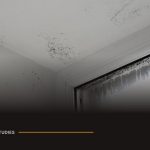

If you’re living in council or housing association accommodation with serious repair issues, reporting the problem is just the first step. To make a successful complaint or legal claim, you need solid evidence that proves what’s wrong, when you reported it, and how it’s affected you.
In this guide, ‘How to Gather Evidence for a Housing Disrepair Claim’, our housing disrepair specialists explain what evidence tenants should gather, how to organise it properly, and how it can support your claim for repairs and compensation.
Why Evidence Matters in Housing Disrepair Claims
Unfortunately, the reality is that landlords, particularly large councils or housing associations, often deny that issues were reported, downplay how serious they are, or claim they’ve done enough to fix them. Without clear, dated evidence, it becomes your word against theirs.
To succeed in a claim for housing disrepair, you will need to demonstrate several issues, including:
- The nature and extent of the disrepair: What exactly is wrong and how bad is it?
- That your landlord was notified: Proof that they were told about the problem.
- That your landlord failed to act within a reasonable time: How long the problems have been going on, or waiting for repairs.
- The wellbeing impact of the disrepair: How it has affected your health, safety, or enjoyment of your home.
- The financial impact of the disrepair: What additional costs have been caused by the disrepair.
Gathering thorough, dated evidence helps you prove all these things. It transforms your housing disrepair complaint from “they said, we said” into a documented case that’s difficult for landlords to dispute.
What Kind of Evidence Should You Collect?
Below, we set out some of the key pieces of evidence you can gather to support a housing disrepair claim and what you can include.
- Photographs and Videos
All successful claims should include visual evidence, and it is one of the most powerful tools in proving your case. Take clear, high-quality photographs of every area affected by disrepair, including:
- Wide shots that show the location and overall condition
- Close-ups that capture the severity of the problem (cracks, mould growth, water damage, broken fixtures)
- Videos are particularly useful for demonstrating active leaks, electrical issues, heating problems, or general living conditions that are difficult to capture in a still image.
If possible, use a date stamp feature on your camera and in your videos or include something that proves when it was taken (e.g., that day’s newspaper or your phone showing the date).
Take photos more than once. If the problem continues, repeat the photographs every few weeks. This creates a visual timeline that shows the ongoing nature of the disrepair and your landlord’s failure to resolve it.
2. Documented Information: Keep Written Reports and Logs
To support your claim, keep a detailed written log of everything related to the housing disrepair. A simple notebook, diary, or spreadsheet is ideal for this. Your written record can include:
- When the disrepair began, or when you first noticed issues
- Detailed information on what is wrong (be specific: “radiator in main bedroom isn’t working” rather than just “heating is broken”)
- When you first reported it to your landlord
- Any responses you received from your landlord
- If the landlord doesn’t reply, your additional requests for a response
- Any repair attempts made, and whether they resolved the issue
This log becomes an essential part of your evidence, detailing the housing issues you have been dealing with, how long they have been ongoing, and that your landlord has had multiple opportunities to fix them.
3. Keep Copies of All Communication with Your Landlord
Always report disrepair complaints to your landlord in writing:
- Use your landlord’s email or online repair system if possible
- Save a copy of every message, including automated acknowledgements and replies
- If you have already made a formal complaint, keep a copy of your letter and their response
This correspondence proves that your landlord was aware of the issue and had the opportunity to fix it.
4. Medical Evidence
If the disrepair has affected your physical or mental health, which is particularly common with damp, mould, cold, or unsafe conditions, medical evidence can significantly strengthen your claim.
Ask your GP for a letter or medical note that confirms:
- How have the housing conditions worsened existing conditions like asthma, eczema, or respiratory problems
- New health issues that have developed since the disrepair began
- Mental health impacts, such as stress, anxiety, or sleep problems, that the disrepair issues have caused
Keep copies of prescriptions, pharmacy receipts, and records of NHS appointments related to health problems caused by the disrepair. This medical evidence helps support your claim by proving both the severity of the situation and the impact on your wellbeing.
5. Repair Records or Contractor Notes
If someone is sent to your property to carry out repairs, but doesn’t fix the issue properly, ask for a copy of their notes or job sheet. These documents can highlight the cause of the problem and prove that the landlord was aware of the issues.
Additional Evidence That Strengthens Your Claim
Aside from evidencing the disrepair to your home, other information that may help your claim includes:
- Photographs of damaged belongings, such as mouldy clothes, ruined furniture, and other damaged possessions.
- Receipts for additional costs or replacements to belongings, such as electric heaters, dehumidifiers to fight damp, replacement bedding, or clothes destroyed by mould.
- Increased energy bills. If the disrepair led to increased heating costs.
- Witness statements, such as written accounts from family members, neighbours, support workers, or health visitors who have seen the conditions you have been living in
All of this helps paint a complete picture of how the disrepair has affected your daily life.
How to Organise Your Evidence Properly
Organise and present your evidence clearly by creating a folder (digital or physical) and sorting it by date. A suggested structure might be:
- Photographs and videos: Organised by room or type of problem, with clear dates.
- Correspondence: All correspondence, including emails, letters, and messages with your landlord, contractors, and complaints team.
- Medical records: Include letters from your GP, copies of prescriptions, pharmacy receipts, and appointment records.
- Financial records: Receipts, invoices, and proof of costs caused by the disrepair.
- Timeline document: A master log that lists every significant event in date order.
This organised approach makes it far easier to present a strong, coherent case to solicitors, the Housing Ombudsman, or the court.
Case Study: Real-Life Example of How Evidence Secured £8,500 in Compensation
A tenant in Manchester had been living with severe mould in her hallway and bedrooms for over 18 months. Despite reporting the problem multiple times through different channels, her housing association repeatedly claimed they weren’t aware of how serious it was.
The tenant had been methodical about gathering evidence:
- Over 40 photographs taken at different times throughout the year.
- Copies of five separate emails sent to the landlord.
- A letter from her GP confirming the impact on her child’s asthma.
- Receipts for new bedding and curtains.
- A written timeline documenting her complaints.
With legal support from housing disrepair solicitors, she was able to present this evidence, which resulted in:
- The housing association could not dispute the facts.
- The court ordered immediate repairs and awarded £8,500 in compensation.
How Solicitors Use Your Evidence to Build Your Case
When you instruct a housing disrepair solicitor, they will use your evidence to:
- Prove that your landlord was notified about the disrepair
- Demonstrate how long the issue has remained unresolved
- Evidence of the severity of the disrepair and the impact on your living conditions
- Support your claim for both general damages (for distress and inconvenience) and special damages (for financial losses)
- Challenge any denials or excuses from your landlord
The more comprehensive and well-organised your evidence, the stronger your case becomes, and the higher your chances of a successful housing disrepair claim.
Final Tips for Gathering Strong Evidence
- Do not rely on phone calls. It is much better to report all issues in writing. If you do make phone calls, always follow up verbal reports with written confirmation by email or letter.
- Photograph everything. Detail all issues, even if they seem minor at the time.
- Start a log as soon as you notice an issue. Ensure the log is started as soon as you report the first issue and keep it updated regularly.
- Seek medical help early. If the disrepair is affecting your health, see your GP or health professional as soon as possible.
- Don’t throw away damaged items without taking clear photographs first. You may need to prove what was destroyed.
- Record everything. You might not think a particular email or receipt matters now, but it could be crucial evidence later.
Do You Need Legal Advice About a Housing Disrepair Claim?
If you’re struggling with poor housing conditions and are thinking about making a housing disrepair claim, or your landlord isn’t taking your complaints seriously, MJV Solicitors can help.
Get in Touch Now for a Free Case Assessment
At MJV Solicitors, we help tenants take action when landlords fail to maintain safe and healthy properties. If you or a loved one’s health is being affected by disrepair, contact us today for specialist advice and support.
- Call us on 01253 858231
- Message us on WhatsApp or Facebook
- Visit our website for more information about how to start your claim for Housing Disrepair
This article is for general information only and does not constitute legal advice.